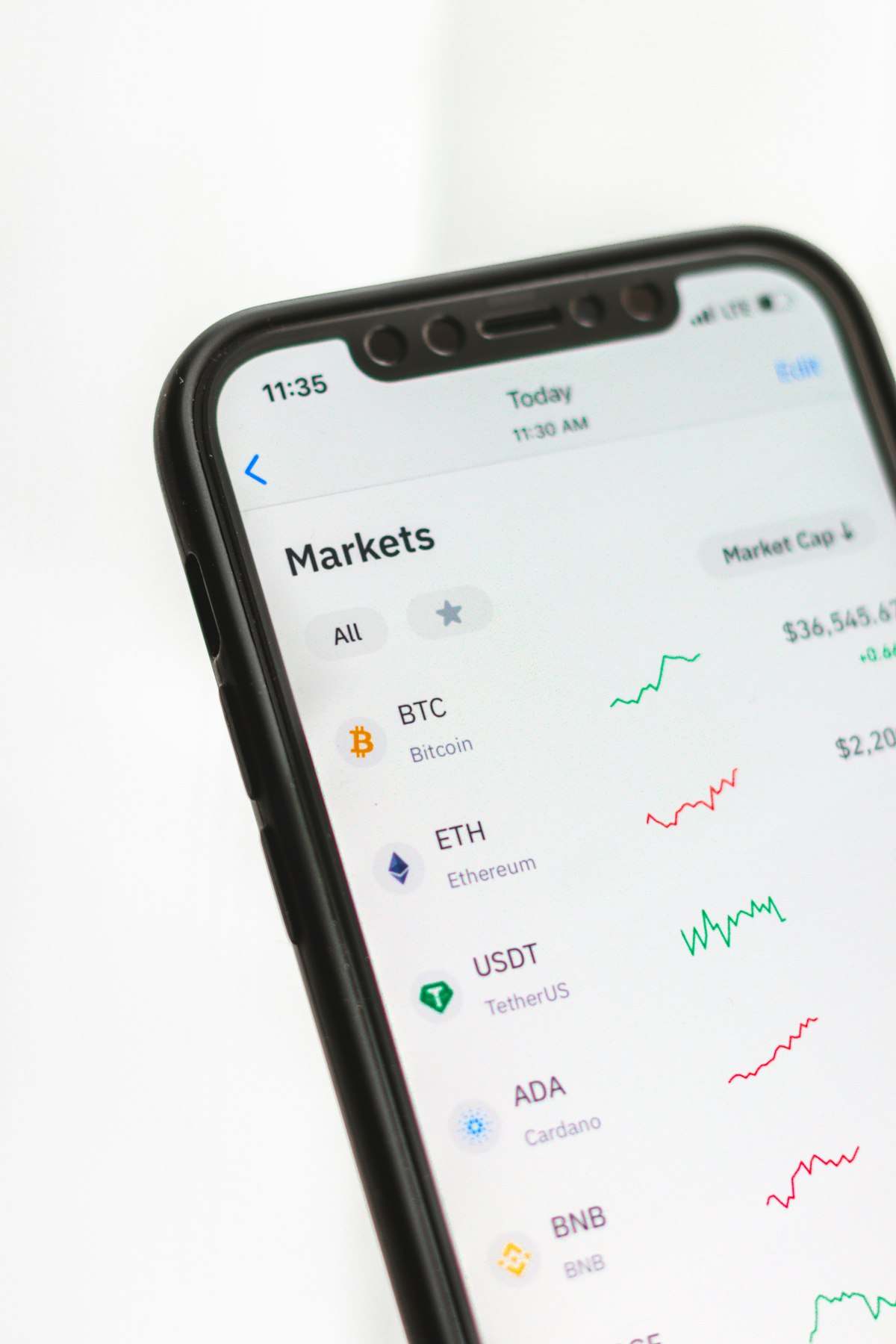
Understanding token volume and transaction data is crucial for anyone interested in the cryptocurrency markets, especially on fast-evolving platforms like Solana. By analyzing this on-chain data, traders and analysts can glean insights into market trends, liquidity, and trading activity. This comprehensive guide will help you decode Solana token volume and transaction data effectively.
What is Token Volume?
Token volume refers to the total quantity of a cryptocurrency traded across various exchanges over a given period. In the context of Solana, token volume is a key indicator of a token's market activity and popularity. High volume typically signifies active trading, which can imply high liquidity, making it easier to execute large trades without significantly affecting the token's price.
Why is Volume Important?
Volume is a critical metric because it can provide insights into the market sentiment and stability of a token. High trading volume on Solana can indicate strong investor interest and confidence, whereas low volume might suggest the opposite. By monitoring volume trends over time, traders can better understand the token's performance and make data-driven decisions.
How to Read Transaction Data
Transaction data on Solana encompasses all activities recorded on the blockchain, including transfers, token swaps, and other interactions. This data can be accessed through various blockchain explorers and analytical platforms like RunRadar, which provide users with a detailed view of transaction history and patterns.
Key Components of Transaction Data
- Transaction ID: A unique identifier for each blockchain transaction.
- Timestamp: The exact date and time when the transaction was processed.
- Sender and Receiver Addresses: The wallet addresses involved in the transaction.
- Amount Transacted: The number of tokens exchanged during the transaction.
- Transaction Fee: The cost associated with processing the transaction on the Solana network.
Analyzing Volume and Transaction Data on Solana
To effectively analyze Solana's token volume and transaction data, users can leverage tools like RunRadar, which aggregates and presents data in an accessible format. Here are a few steps to consider when conducting an analysis:
Step 1: Gather Data
Use platforms like RunRadar to collect comprehensive data on Solana’s token volume and transaction history. Look for trends over different time frames to understand market dynamics.
Step 2: Identify Patterns and Trends
Examine the volume trends and transaction frequency over various intervals. Pay attention to any unusual spikes or drops, which could indicate market volatility, major news events, or significant trades by large holders, often referred to as "whales."
Step 3: Interpret Insights
With the data and identified trends, analyze what the information means for the market and how it might impact future trading scenarios. While this analysis can be insightful, it’s important to remember that it does not guarantee future market movements.
Conclusion
Decoding Solana token volume and transaction data is a valuable skill for understanding cryptocurrency market trends. By leveraging tools such as RunRadar, traders and analysts can access and interpret on-chain data, providing a clearer picture of token activity on the Solana network. Remember, while this information is powerful, it should be used in conjunction with a broader market analysis for best results.