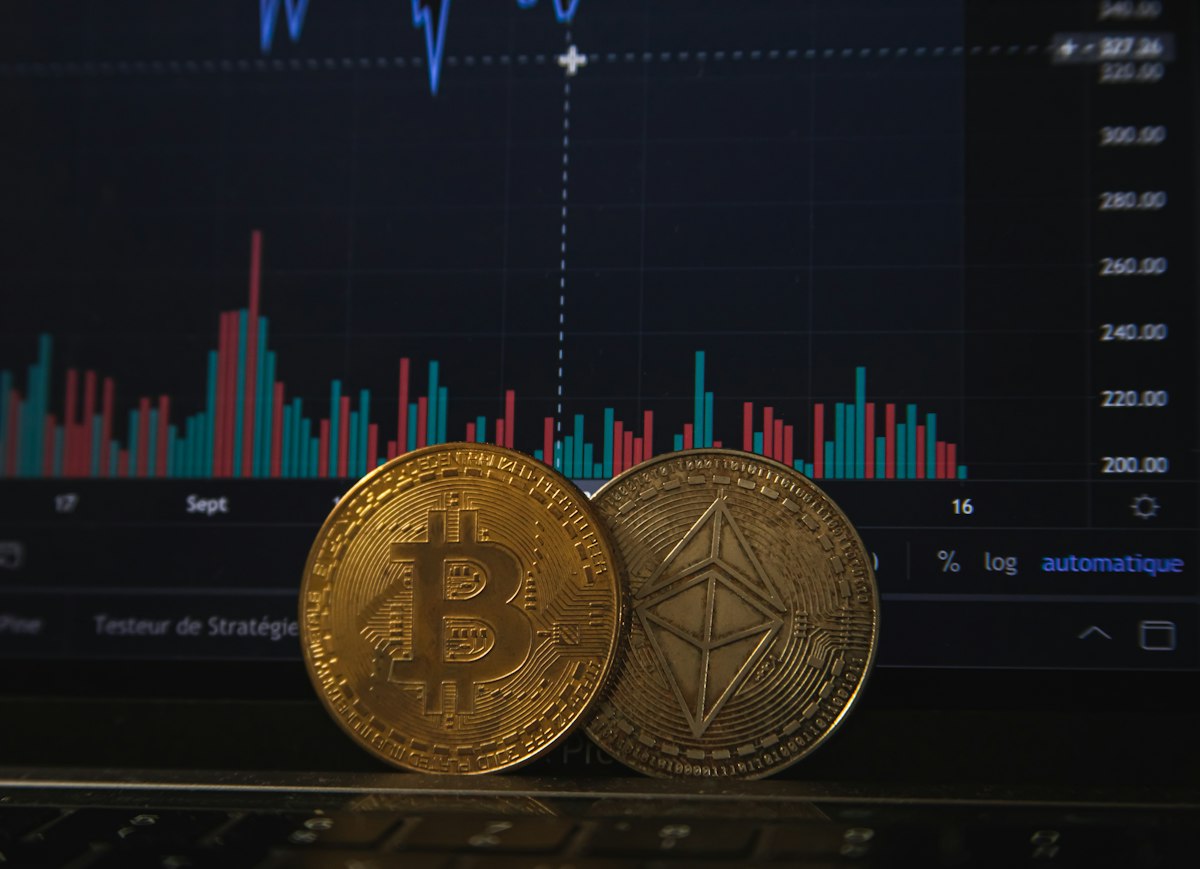
In the realm of blockchain technology and cryptocurrency, understanding market dynamics can be a complex task. One powerful tool that has emerged within the Solana ecosystem is on-chain momentum tracking. This article delves into what on-chain momentum tracking is and how it works, particularly within Solana's high-performance blockchain environment.
Understanding On-Chain Momentum Tracking
On-chain momentum tracking involves analyzing transaction data directly from the blockchain to gauge the momentum of a specific cryptocurrency or token. This process focuses on the transactional activity occurring on the blockchain, providing insights into shifts in market sentiment and potential future price movements. In the context of Solana, where transaction speeds are exceptionally high, momentum tracking becomes an essential tool for understanding rapid changes in market trends.
How On-Chain Momentum Tracking Works
The primary mechanism behind on-chain momentum tracking is the analysis of transaction volume and velocity over a specific period. Here’s a breakdown of how it works:
- Data Collection: First, the blockchain's transaction data is collected. In Solana's case, this involves capturing high-speed transaction details without compromising the network's scalability.
- Volume Analysis: The total transaction volume over a given period is analyzed. Surges in volume can indicate increased interest or activity in a particular token.
- Velocity Tracking: This involves assessing how quickly tokens are being transferred from one wallet to another. High velocity can imply a strong market momentum, while low velocity might suggest stagnation.
- Pattern Detection: Algorithms and models are used to detect patterns in the data, identifying bullish or bearish trends based on historical data and current transaction dynamics.
Platforms like RunRadar provide tools to simplify this process by offering an accessible interface to track on-chain momentum. By using RunRadar, users can effectively monitor market trends, giving them a clearer picture of token dynamics within the Solana blockchain.
Benefits of On-Chain Momentum Tracking
On-chain momentum tracking offers several advantages for individuals and businesses involved in the crypto space:
- Real-Time Insights: Track real-time data to make timely decisions based on the latest market trends.
- Market Sentiment Analysis: Understand the overall sentiment and engagement with specific tokens, which can be crucial for forecasting trends.
- Transparency: Since the data is sourced directly from the blockchain, it offers a level of transparency not available in traditional market analysis.
By leveraging platforms like RunRadar, users can enhance their understanding of the Solana ecosystem's complex market dynamics, using these insights to navigate the crypto landscape more effectively.
Challenges and Considerations
While on-chain momentum tracking is a valuable tool, it also comes with its set of challenges:
- Data Overload: The vast amount of data generated by blockchain transactions can be overwhelming. Skillful filtering and analysis are required to extract meaningful insights.
- Market Complexity: On-chain data only represents a portion of the market; off-chain factors and external influences must also be considered for a complete analysis.
- Interpretation: Correctly interpreting the data requires understanding both blockchain technology and market dynamics. Misinterpretation can lead to incorrect conclusions.
To address these challenges, users can rely on the expertise of platforms like RunRadar, which offers comprehensive data analytics tools designed specifically for the Solana blockchain, helping users make informed decisions.
In conclusion, on-chain momentum tracking is a powerful method for understanding market trends within the Solana ecosystem. With the rapid pace of transactions on Solana, using platforms like RunRadar to analyze this data can provide invaluable insights for users looking to comprehend the ever-evolving crypto landscape.