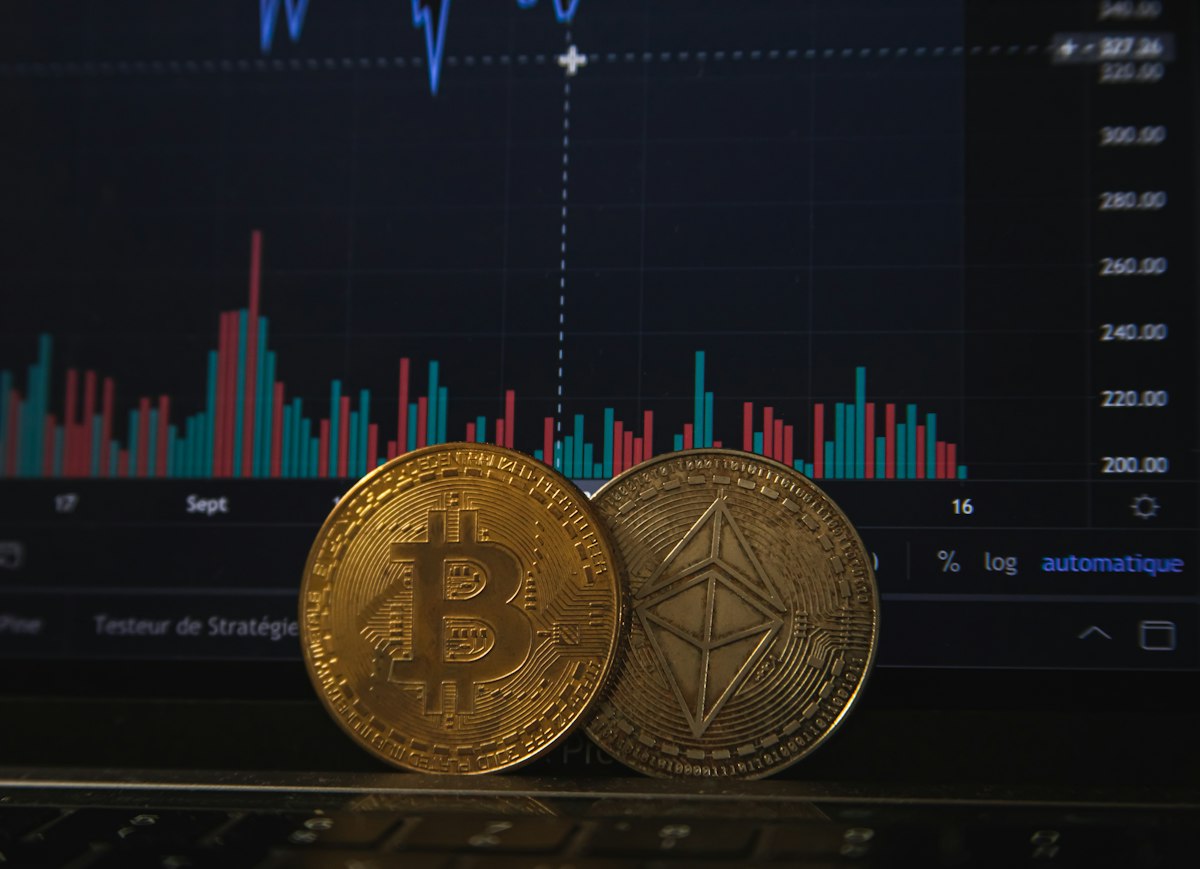
Understanding token volume and transaction data is crucial for analyzing the Solana blockchain's vibrant ecosystem. These metrics provide valuable insights into market dynamics, including liquidity, demand, and overall network activity. In this article, we will explore how to read Solana token volume and transaction data effectively.
What is Token Volume?
Token volume refers to the total quantity of a particular token traded over a specific period, such as 24 hours. It is a critical metric for gauging market activity and liquidity. Higher volume typically indicates more market participation, potentially leading to more stable pricing, while low volume could suggest limited interest or liquidity.
Why Token Volume Matters
- Liquidity Assessment: High volume suggests that a token is more liquid, making it easier to buy or sell without significantly affecting its price.
- Market Sentiment: A sudden spike in volume might indicate increased interest or speculative activity.
- Price Stability: Tokens with consistently high volume are less susceptible to price manipulation.
Interpreting Solana's Transaction Data
Transaction data on Solana records every individual trade, including the transaction hash, sender and receiver addresses, and the amount transferred. This data is accessible on Solana's blockchain explorers and can be analyzed to track network activity.
Key Transaction Metrics
- Transaction Count: The number of transactions processed over a specific period. A higher transaction count often correlates with increased network activity and user adoption.
- Average Transaction Size: This metric helps understand the typical trade size on the network. Larger average sizes may suggest fewer but more substantial trades.
- Transaction Fees: Fees paid for processing transactions can provide insights into network congestion and cost efficiency compared to other blockchains.
Using RunRadar for Enhanced Analysis
RunRadar offers a comprehensive platform to track Solana's on-chain data, providing a detailed view of token volume and transaction metrics. By leveraging RunRadar's tools, users can access real-time data and historical trends, empowering them to make informed decisions based on robust analysis.
For example, users can monitor sudden changes in token volume and transaction count to identify potential market movements early. This capability is particularly valuable for detecting trends in the Solana ecosystem, where on-chain data provides a transparent view of blockchain activity.
Conclusion
Reading Solana token volume and transaction data is essential for understanding market dynamics and network health. By monitoring these metrics, market participants can gain insights into liquidity, trading activity, and overall interest in specific tokens. Tools like RunRadar facilitate in-depth analysis by offering access to comprehensive data sets, enabling users to stay informed about the latest market developments.
As the Solana blockchain continues to grow, staying abreast of token volume and transaction trends will be increasingly important for anyone looking to understand this dynamic ecosystem.