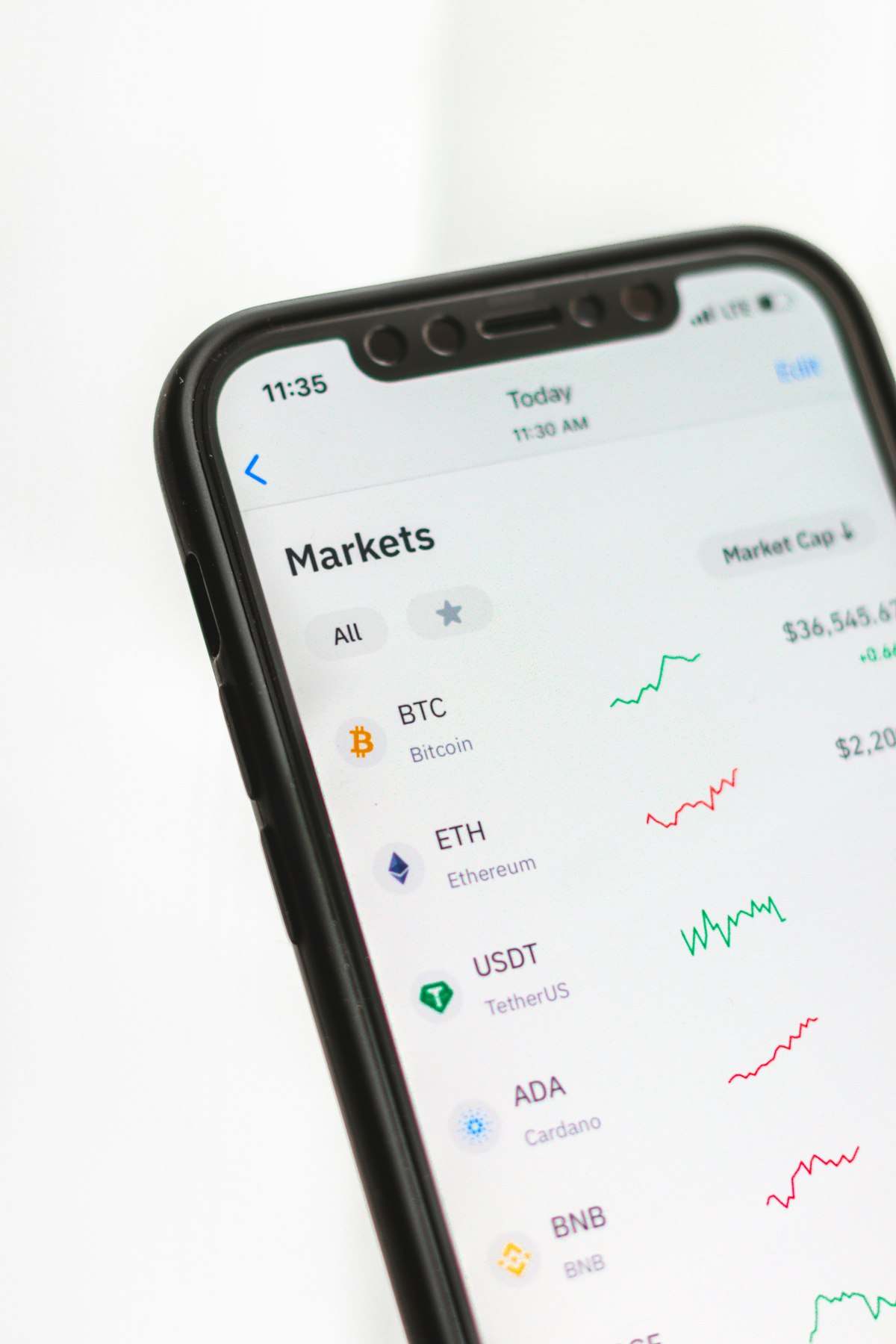
In the ever-evolving world of blockchain technology, Solana has emerged as one of the leading platforms known for its fast transaction speeds and low costs. As the ecosystem grows, understanding token price volatility becomes essential for anyone looking to comprehend market dynamics. In this post, we explore the factors influencing token price volatility on Solana and how you can analyze these movements using on-chain data.
What is Token Price Volatility?
Token price volatility refers to the rate at which the price of a cryptocurrency changes over time. High volatility means the price can change dramatically over a short period, which can present opportunities for market participants. Conversely, low volatility signifies relatively stable prices.
Factors Influencing Price Volatility on Solana
Several factors can lead to price volatility in Solana tokens, including:
- Supply and Demand: As with any asset, the balance between supply and demand significantly affects token prices. Events that increase demand or decrease supply can lead to volatile price swings.
- Market Sentiment: News, social media trends, and overall market sentiment can influence traders' behavior, leading to volatile price changes.
- Liquidity: Tokens with low liquidity often show higher volatility because large trades can move the market significantly.
- On-Chain Developments: Events such as protocol upgrades, partnerships, or major token burns can lead to sudden changes in price.
Analyzing Price Volatility Using On-Chain Data
On-chain data provides valuable insights into Solana's blockchain, enabling users to analyze various metrics that can indicate potential price movements. Platforms like RunRadar offer tools to track these metrics effectively.
Key On-Chain Metrics to Watch
- Transaction Volume: Monitoring transaction volume can provide insights into market activity. Significant changes in volume can precede price volatility.
- Whale Activity: Tracking large token transfers can help identify potential market-moving actions. Whale wallets moving considerable amounts can signal upcoming price changes.
- Buy/Sell Ratios: Analyzing the ratio of buy and sell orders can indicate market sentiment. A high buy ratio could suggest bullish market conditions, which may cause prices to rise.
- Order Book Depth: Examining the order book's depth on decentralized exchanges can give insights into liquidity and potential slippage, which affect price volatility.
Using RunRadar for Advanced Analysis
RunRadar is an invaluable resource for accessing and interpreting Solana's on-chain data. By utilizing RunRadar, users can:
- Monitor real-time transaction data to spot sudden changes in market activity.
- Analyze wallet movements to identify significant market players and their potential impact on price.
- Utilize advanced charting tools to track buy/sell ratios and order book trends.
With RunRadar's comprehensive tools, users can gain a deeper understanding of the factors influencing Solana's token price volatility and make more informed decisions based on robust data analysis.
Conclusion
Understanding price volatility on Solana requires a multi-faceted approach, combining knowledge of market dynamics with the ability to analyze on-chain data effectively. By observing key metrics and leveraging tools like RunRadar, you can gain valuable insights into the factors driving market fluctuations and better navigate the complex landscape of cryptocurrency trading.