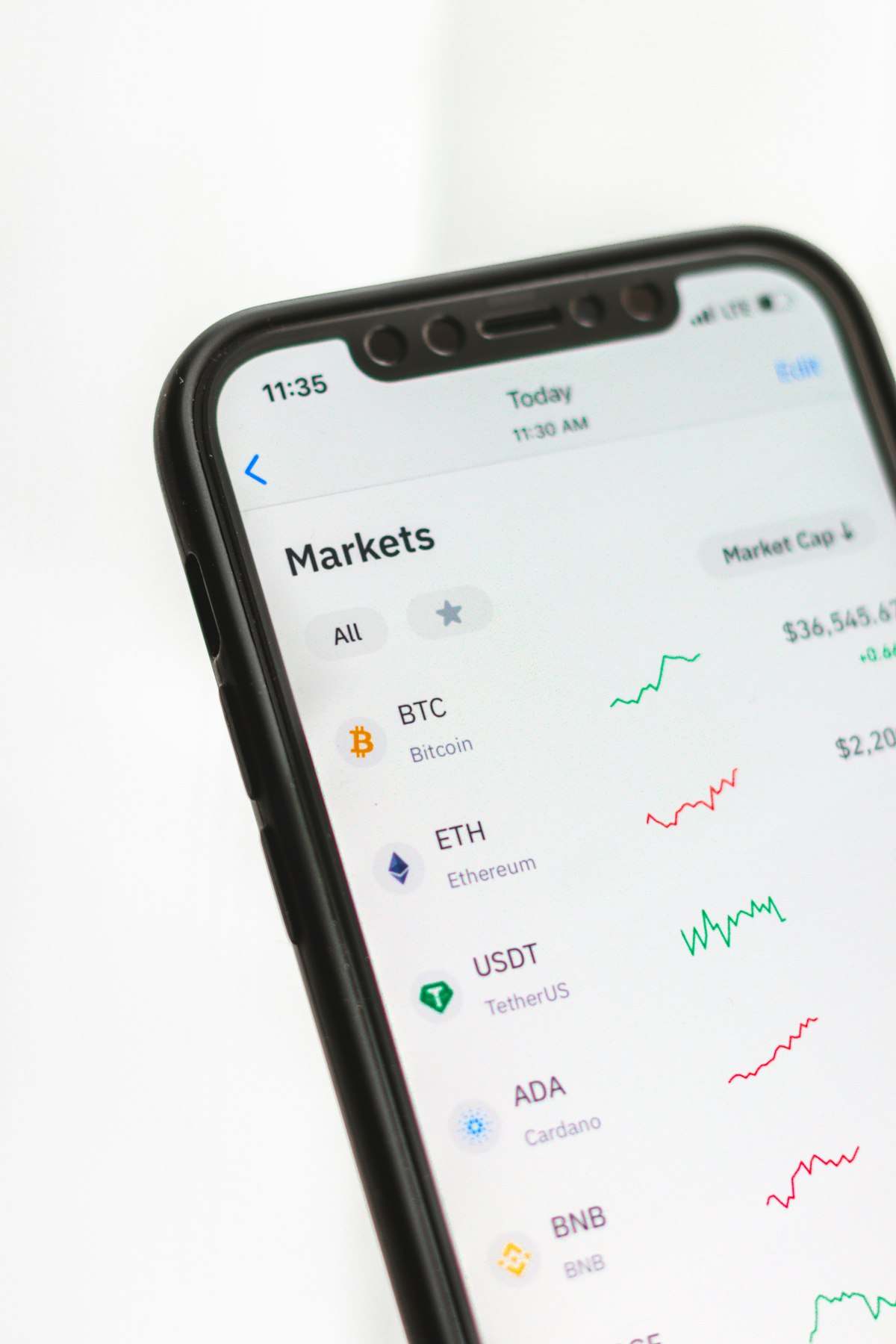
Solana, known for its high throughput and low transaction costs, has become a significant player in the blockchain ecosystem. For traders and developers interested in understanding market trends and token behaviors on Solana, analyzing token volume and transaction data is crucial. This article delves into the intricacies of these metrics and provides practical insights for better data interpretation.
Understanding Solana Token Volume
Token volume is a key metric in the cryptocurrency world, indicating the total number of tokens traded over a specific period. On Solana, the fast and efficient infrastructure allows for large volumes of transactions at minimal costs. This characteristic makes Solana an attractive platform for high-frequency traders and developers alike.
Token volume reflects market activity and liquidity. High volumes typically suggest strong market interest or significant events impacting the token, such as partnerships, upgrades, or economic shifts. Conversely, low volume may indicate less interest or a lack of news impacting the token.
How to Analyze Token Volume
- Identify Trends: By examining token volume over time, users can identify patterns and trends. Are there consistent increases or decreases? What events coincide with these changes?
- Compare with Price: Analyzing token volume alongside price can provide insights into market sentiment. For instance, increasing volume with rising prices often indicates strong market confidence.
- Use Platforms like RunRadar: Platforms such as RunRadar offer detailed analytics on Solana’s on-chain data, making it easier for users to track and interpret volume trends.
Decoding Solana Transaction Data
Transaction data on Solana provides a granular view of network activity. It includes details such as the number of transactions, transaction fees, and the types of transactions occurring. Understanding these elements can offer insights into network usage and user behavior.
Key Transaction Metrics to Monitor
- Transaction Count: The total number of transactions within a period signals the level of network activity. Spikes in transaction counts could indicate an event or trend influencing network use.
- Transaction Fees: While Solana boasts low transaction fees, monitoring changes in these fees can reveal network congestion or increased demand.
- Transaction Types: Analyzing the types of transactions—such as transfers, smart contract interactions, or staking operations—can help identify shifts in network use and priorities.
Platforms like RunRadar provide comprehensive tools for exploring Solana's transaction data, enabling users to spot trends, identify unusual activity, and make informed decisions based on on-chain metrics.
Practical Applications of Volume and Transaction Data
Understanding Solana token volume and transaction data is not just about numbers; it's about making sense of the market dynamics and user behavior. Here’s how you can apply these insights:
- Market Analysis: Traders can use volume and transaction data to validate trends and market movements, helping them understand the underlying factors driving price changes.
- Network Health: Developers and network participants can gauge the health and efficiency of the Solana network by analyzing transaction throughput and fee structures.
- Strategic Planning: Project teams can tailor marketing and development strategies by understanding user engagement through transaction types and volumes.
In conclusion, Solana token volume and transaction data offer deep insights into the network's dynamics. By leveraging tools like RunRadar, users can easily access and interpret these metrics, providing them with a clearer picture of the market landscape and potential future developments. As Solana continues to grow, staying informed through on-chain data analysis is invaluable for both traders and developers.