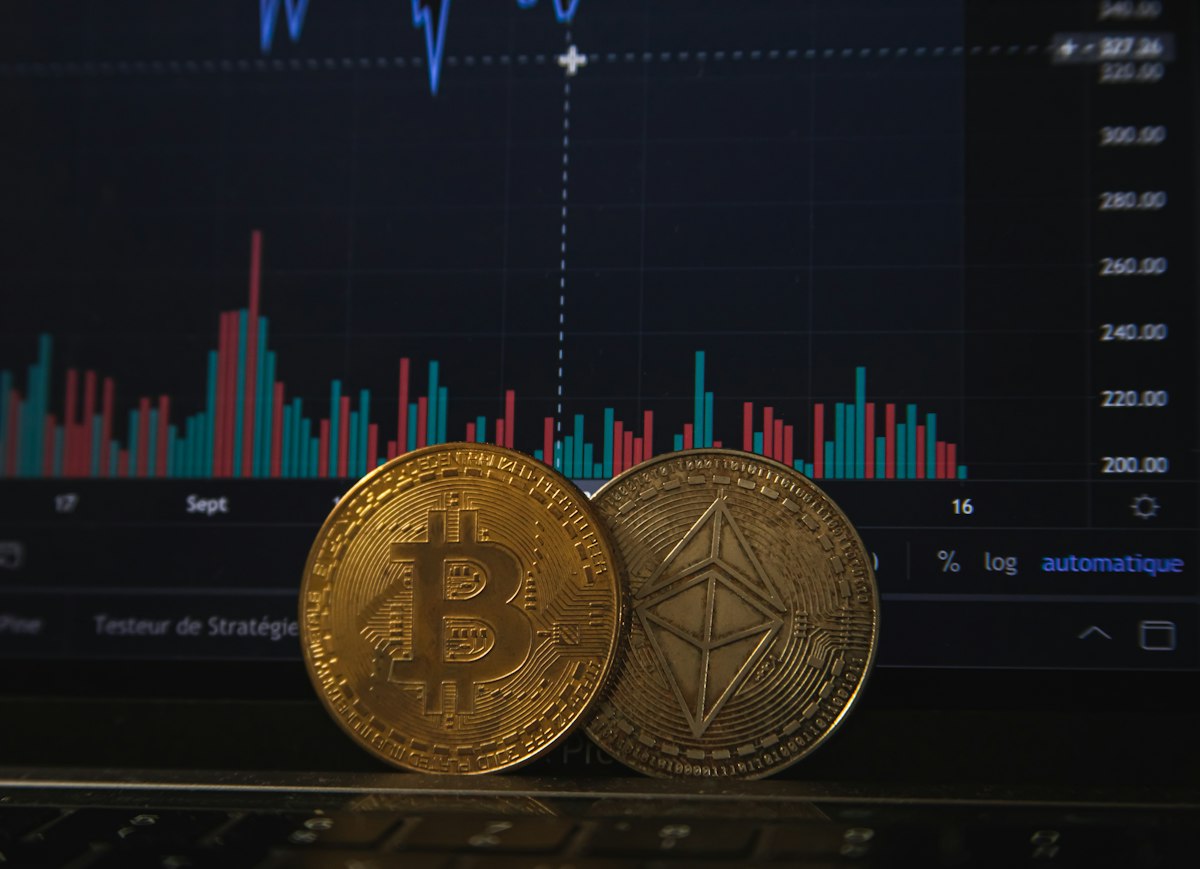
In the rapidly evolving world of blockchain technology, understanding market sentiment can play a crucial role in interpreting token trends and investor behavior. On Solana, a high-performance blockchain known for its scalability, on-chain sentiment analysis offers valuable insights that can aid in making informed decisions. This article explores the mechanics of Solana's on-chain sentiment analysis and its implications for the broader crypto ecosystem.
What is On-Chain Sentiment Analysis?
On-chain sentiment analysis involves the examination of blockchain data to assess the mood or sentiment of market participants. By analyzing various on-chain metrics, such as transaction volumes, wallet activity, and token transfers, one can gauge the market's current sentiment. This type of analysis provides insights into whether investors are feeling bullish, bearish, or neutral about specific tokens or the market as a whole.
How On-Chain Sentiment Analysis Works on Solana
Solana's blockchain is designed to handle thousands of transactions per second, making it an ideal candidate for real-time on-chain sentiment analysis. Here's how it works:
- Data Collection: The process begins with collecting a wide range of on-chain data points, including transaction volumes, frequency of trades, and wallet activity. This data is readily available and verifiable through platforms like RunRadar, which track Solana's blockchain activity.
- Data Processing: Advanced algorithms and machine learning models process this data to identify patterns and trends. These tools can filter out noise and focus on meaningful data that reflects market sentiment.
- Sentiment Scoring: The processed data is then translated into sentiment scores. These scores indicate the general mood of the market, helping stakeholders understand current and future trends.
Applications of On-Chain Sentiment Analysis
Understanding on-chain sentiment has several practical applications within the Solana ecosystem and beyond:
- Market Trend Prediction: By observing shifts in sentiment, analysts can anticipate potential market trends. A sudden increase in positive sentiment toward a token, for example, might precede a price surge.
- Risk Management: On-chain sentiment analysis can also be used to identify periods of high risk. Negative sentiment may suggest impending volatility, allowing investors and traders to adjust their strategies accordingly.
- Behavioral Insights: By analyzing sentiment, stakeholders can gain insights into investor behavior, understanding how different news events or market changes affect sentiment and decision-making.
Leveraging RunRadar for Sentiment Analysis
RunRadar, a Solana on-chain data tracking platform, provides users with easy access to the data necessary for conducting sentiment analysis. By offering detailed insights into transaction activity, wallet movements, and more, RunRadar enables users to perform comprehensive sentiment analysis without needing extensive technical expertise. This democratizes access to high-quality data, allowing a broader audience to engage with Solana's rapidly growing ecosystem.
Challenges and Limitations
While on-chain sentiment analysis offers numerous benefits, it's important to acknowledge its challenges:
- Data Interpretation: Interpreting sentiment scores requires expertise, as scores may be influenced by numerous factors, such as external market conditions or unexpected events.
- Volatility: Cryptocurrency markets are inherently volatile, and sentiment can change rapidly. As such, sentiment analysis should be used in conjunction with other analytical tools for a comprehensive view.
In conclusion, on-chain sentiment analysis on Solana provides valuable insights into market trends and investor behavior. By leveraging powerful tools like RunRadar, users can harness the potential of real-time data to better understand the dynamics of the Solana blockchain. As the cryptocurrency market continues to evolve, sentiment analysis will likely play an increasingly important role in the decision-making processes of market participants.