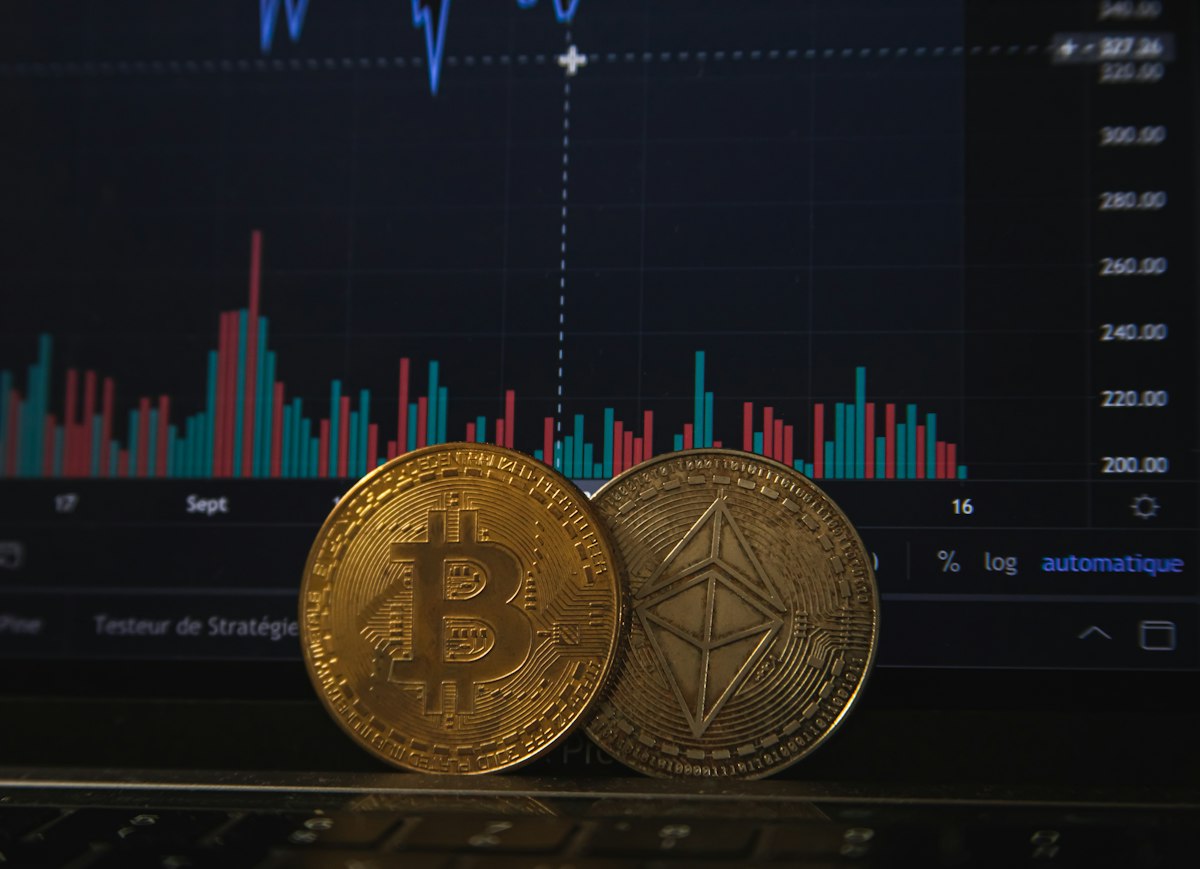
As blockchain technology advances, the decision-making processes behind these networks have become increasingly complex. Solana, known for its high throughput and efficiency, employs an on-chain governance model that allows stakeholders to partake in the network's evolution. Understanding Solana's governance proposals is crucial for those interested in the mechanics of decentralized decision-making.
What Are Governance Proposals?
Governance proposals are structured suggestions by stakeholders to alter or enhance the Solana blockchain's functionality. These proposals can span a wide range of topics, including protocol upgrades, parameter changes, or treasury management decisions. By enabling community participation, Solana ensures that its network evolves in alignment with the interests of its diverse user base.
How Governance Proposals Work on Solana
On Solana, governance proposals follow a structured approach to ensure clarity and efficiency. The process typically involves several key stages:
- Proposal Submission: Any network participant can submit a governance proposal. This submission should include a comprehensive explanation of the proposed change, its expected impact, and the rationale behind it.
- Community Discussion: Once submitted, the proposal enters a period of community discussion. During this phase, stakeholders can review the proposal, provide feedback, and suggest modifications. Platforms like the Solana forums or specific governance discussion boards facilitate these conversations.
- Off-Chain Voting: To streamline the process, some proposals may undergo preliminary off-chain voting. This informal vote gauges stakeholder interest and provides insight into potential support or opposition.
- On-Chain Voting: If a proposal gathers enough preliminary support, it moves to the on-chain voting stage. Here, stakeholders can vote for or against the proposal directly on the Solana blockchain. The voting power is typically proportional to the amount of SOL tokens the participant holds or stakes.
- Implementation: Proposals that achieve the necessary quorum and receive majority approval are implemented. Depending on the proposal type, implementation may involve direct changes to the Solana codebase or administrative adjustments.
The Importance of On-Chain Governance
On-chain governance is vital for maintaining a blockchain's decentralization and ensuring that changes reflect the collective will of its users. For Solana, this mechanism supports a dynamic ecosystem that can adapt to technological advancements and shifting market demands.
Implications of Governance Proposals
The implications of governance proposals on Solana are multifaceted:
- Network Adaptability: By allowing stakeholders to propose and vote on changes, Solana maintains a flexible protocol that can adapt to new innovations and challenges.
- Decentralized Control: Governance proposals redistribute decision-making power from centralized entities to the community, promoting a fairer and more decentralized ecosystem.
- Stakeholder Engagement: Active participation in governance fosters a sense of ownership among stakeholders, encouraging them to contribute to the network's success.
Platforms such as RunRadar play a crucial role in providing detailed insights into governance proposals and their progress. By tracking on-chain data, RunRadar helps stakeholders understand the intricacies of Solana's governance, enabling them to make informed decisions.
Conclusion
Solana's on-chain governance proposals represent a cornerstone of its decentralized architecture. Understanding how these proposals work and their implications can empower stakeholders to engage actively in the network's future. With tools like RunRadar, tracking and analyzing the effects of governance decisions becomes more accessible, fostering a transparent and participatory blockchain environment.