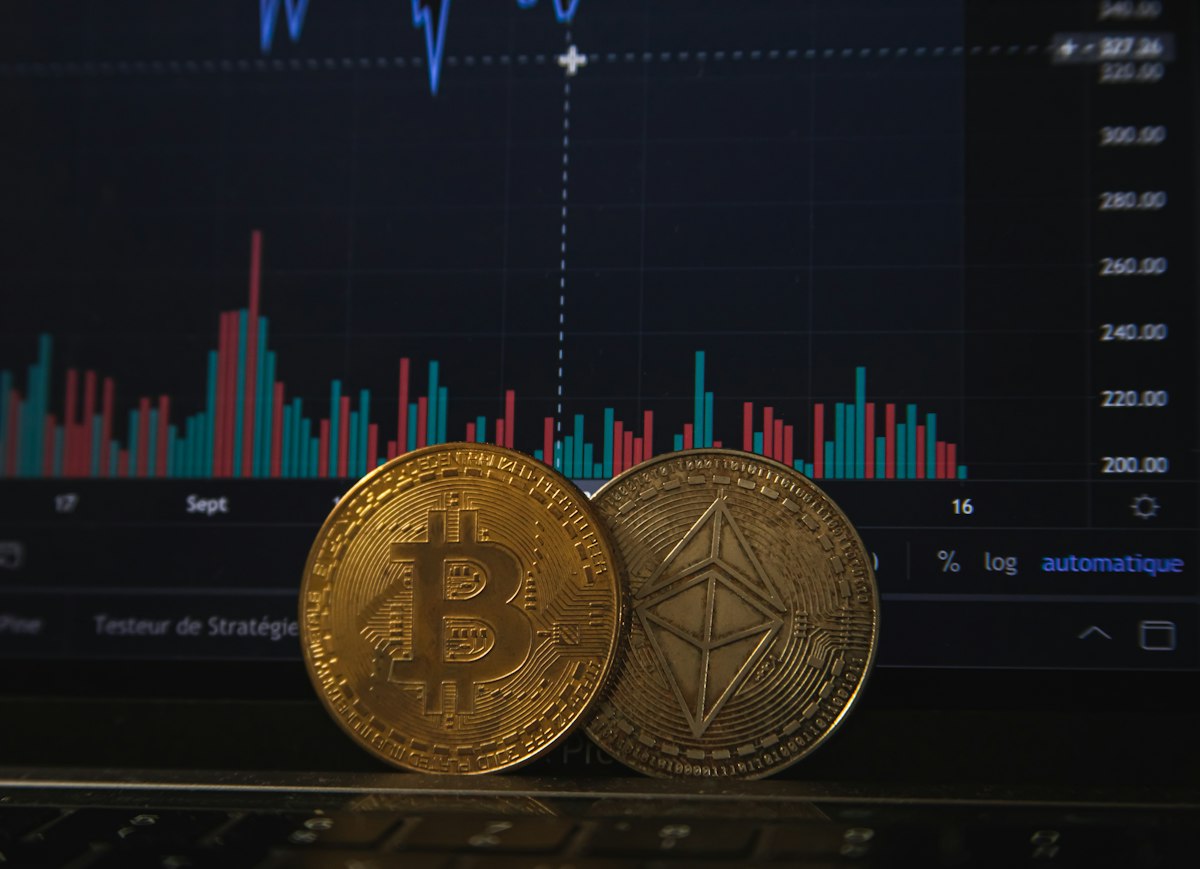
As the cryptocurrency landscape continues to evolve, understanding the intricacies of on-chain mechanics is crucial for anyone interested in blockchain ecosystems. Solana, known for its high transaction throughput and low fees, has become a hub for various decentralized finance (DeFi) activities, including the vibrant world of memecoins. One of the key components driving this ecosystem is on-chain liquidity pools. In this article, we explore the role of liquidity pools within Solana's memecoin markets and their effect on price dynamics.
Understanding Liquidity Pools
Liquidity pools are automated programs that facilitate decentralized trading by holding pairs of tokens in reserve. These pools allow users to trade assets directly with each other without relying on traditional order books. On Solana, liquidity pools are often seen on decentralized exchanges (DEXs) such as Raydium. By ensuring a steady supply of tokens, liquidity pools enable smooth trading operations even during periods of high demand or volatility.
How Liquidity Pools Affect Memecoin Prices
Liquidity pools are pivotal in determining the price and availability of memecoins on Solana. Here’s how:
- Price Stability: By maintaining a balance between the supply and demand of tokens, liquidity pools help stabilize prices, thus reducing volatility. This is particularly important for memecoins, which are often subject to rapid price swings.
- Market Depth: Deep liquidity pools can absorb large trades without significantly affecting price, fostering a more mature trading environment. This depth provides confidence to traders, knowing they can enter or exit positions without excessive slippage.
- Incentives for Liquidity Providers: By providing tokens to the pool, liquidity providers earn a portion of the trading fees. This incentivizes the maintenance of high liquidity, indirectly supporting stable prices and efficient market functioning.
Challenges and Considerations
Despite their benefits, liquidity pools present several challenges:
- Impermanent Loss: This occurs when the value of tokens in a pool changes compared to simply holding them. This risk is notable in volatile markets like memecoins.
- Security Risks: Liquidity pools are susceptible to smart contract vulnerabilities. Although Solana's robust security measures reduce these risks, users must remain vigilant.
The Role of RunRadar
Platforms like RunRadar provide valuable insights into the dynamics of Solana’s liquidity pools. By offering real-time data analysis, RunRadar empowers users to track pool volumes and understand the market forces at play. This allows traders to make informed decisions about entering or exiting positions in the memecoin markets.
Conclusion
Liquidity pools are a fundamental component of Solana's DeFi infrastructure, particularly within the dynamic world of memecoins. By ensuring token availability and price stability, they facilitate efficient trading environments. As the memecoin sector continues to grow on Solana, understanding the mechanics of liquidity pools becomes increasingly important. Leveraging tools like RunRadar to monitor on-chain data can enhance one's ability to navigate these markets effectively.