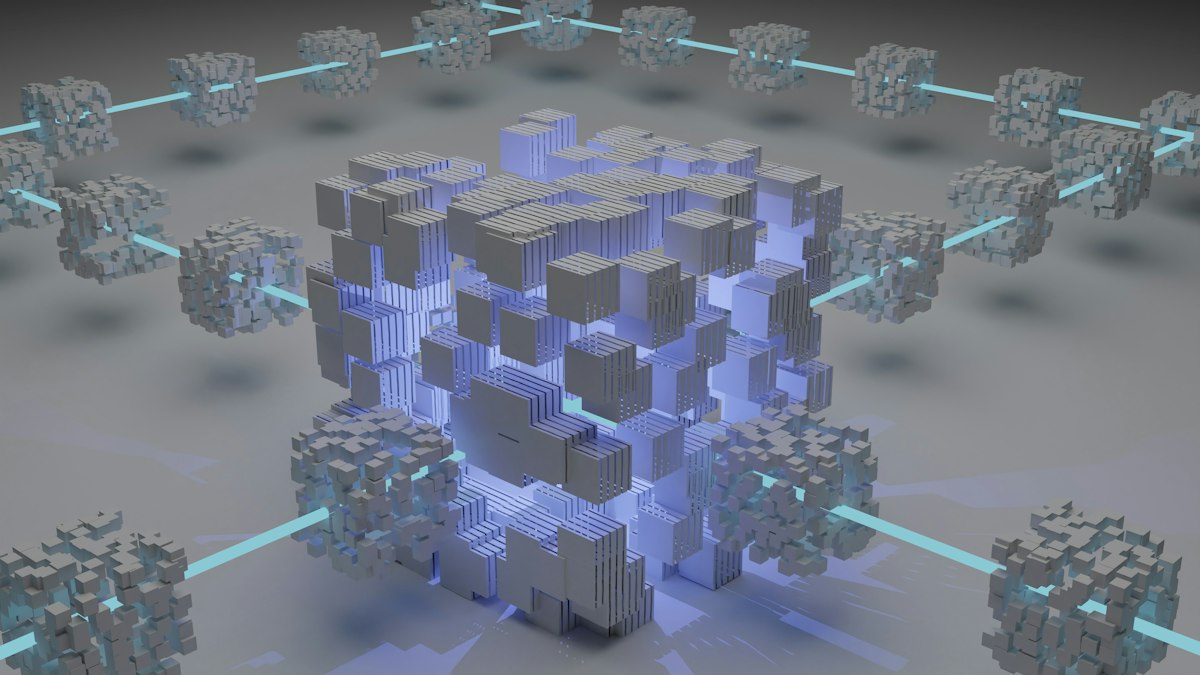
In the rapidly evolving landscape of blockchain technology, understanding the intricacies of Solana token metadata and security flags can offer invaluable insights. These components provide crucial information regarding a token's attributes and its network's security measures, enriching the user experience by ensuring transparency and trust.
What is Solana Token Metadata?
The Solana blockchain, known for its high throughput and low transaction costs, utilizes token metadata as a structured set of data that describes various attributes of a token. This metadata typically includes information such as the token's name, symbol, decimals, supply, and potentially more detailed data like the creator's address and project description. This information is essential for developers and users who wish to interact with the token on the Solana network.
The Role of Token Metadata
Token metadata serves several purposes:
- Identification: It helps users identify and differentiate tokens, ensuring that they interact with the intended digital asset.
- Verification: By examining metadata, users can verify the legitimacy of a token, reducing the likelihood of fraud.
- Interoperability: Detailed metadata facilitates interoperability across different platforms and wallets, allowing for seamless transactions.
Platforms like RunRadar leverage Solana’s on-chain metadata to provide users with detailed insights into token attributes and histories, enhancing user confidence and informed decision-making.
Understanding Security Flags on Solana
Security flags are indicators embedded within the Solana blockchain that provide warnings or validations about a token's security posture. These signals can alert users to potential risks associated with interacting with a particular token.
Common Security Flags
Some of the more common security flags include:
- Suspicious Activity Alerts: These flags are raised when a token shows transaction patterns that deviate from the norm, potentially indicating malicious activity.
- Code Vulnerability Notifications: Flags that reveal vulnerabilities within the token's smart contract code, which could be exploited.
- Liquidity Concerns: Flags indicating low liquidity or unnatural changes in liquidity, suggesting potential price manipulation.
Platforms like RunRadar can help users interpret these security flags by providing detailed explanations and historical data, thus empowering users with the knowledge to navigate the Solana ecosystem securely.
How RunRadar Utilizes Metadata and Security Flags
RunRadar, a prominent on-chain data tracking platform, uses Solana token metadata and security flags to enrich its data offerings. By compiling, analyzing, and presenting this data, RunRadar provides users with a comprehensive view of token characteristics and potential security risks. This enables users to make educated decisions based on transparent and reliable blockchain data.
For anyone looking to explore Solana's blockchain, understanding how to read and interpret token metadata and security flags is paramount. By leveraging platforms like RunRadar, users can gain deep insights into token ecosystems, thus enhancing their experience in the blockchain domain. Whether you are a developer, trader, or simply a blockchain enthusiast, staying informed about these aspects can lead to a more secure and transparent interaction with digital assets on Solana.