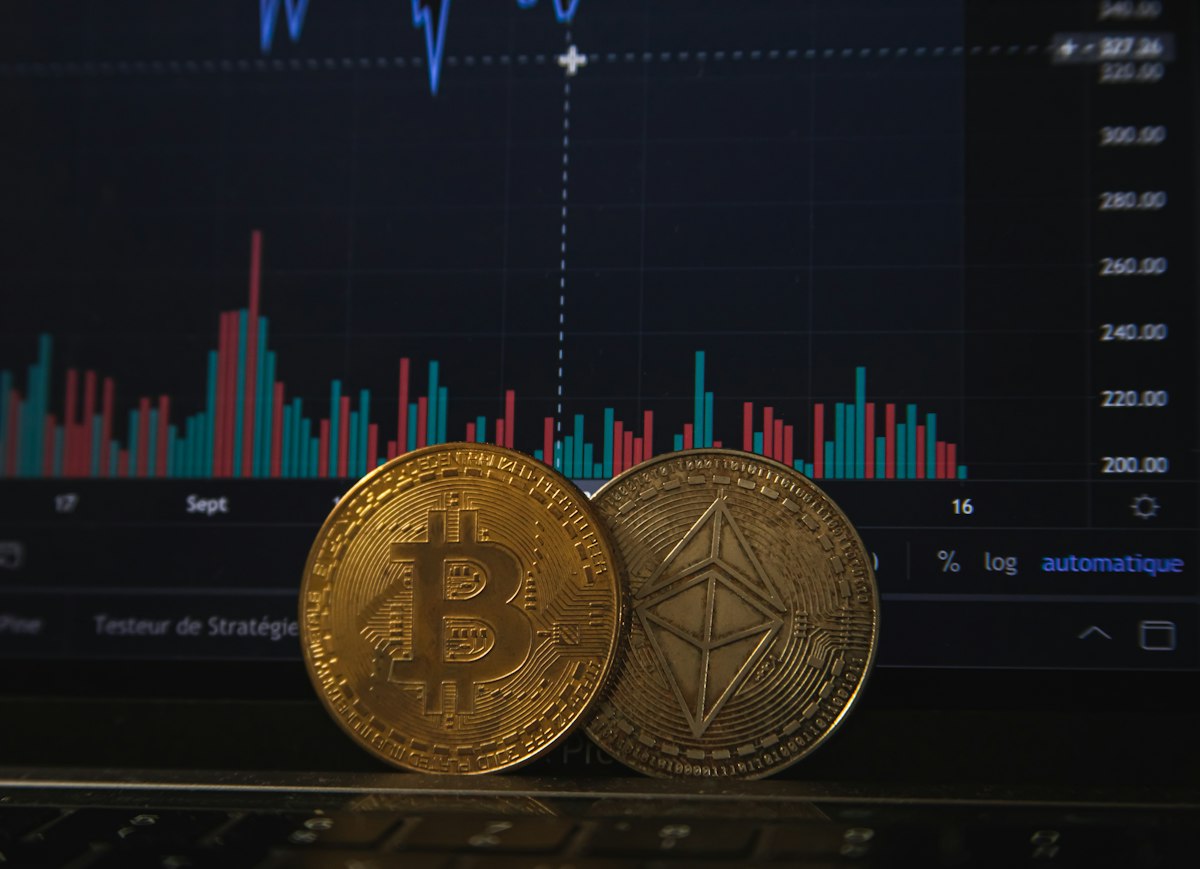
In the rapidly evolving blockchain ecosystem, decentralized finance (DeFi) has emerged as a pivotal component. Among the various blockchains, Solana stands out due to its high throughput and low transaction costs, making it an attractive platform for DeFi applications. A significant facet of DeFi on Solana is its on-chain lending protocols, which provide users with opportunities to lend and borrow assets without intermediaries. In this article, we will explore how these lending mechanisms operate on Solana and their implications for the broader financial landscape.
What Are On-Chain Lending Protocols?
On-chain lending protocols are decentralized applications (dApps) that facilitate the lending and borrowing of cryptocurrencies directly on the blockchain. Unlike traditional banking systems, these protocols eliminate the need for intermediaries, allowing users to interact via smart contracts. These contracts automatically enforce the rules and process transactions, ensuring anonymity and security.
How Do Solana's Lending Protocols Operate?
Solana's on-chain lending protocols capitalize on the blockchain's speed and scalability. Users can deposit their assets into a lending pool, which smart contracts manage. Borrowers can then access these assets by providing collateral. The ability to process up to 65,000 transactions per second (TPS) offers Solana a distinct advantage over other blockchains, ensuring smooth operation of lending protocols even during high demand periods.
- Collateralization: To borrow assets, users must deposit collateral into the protocol. This ensures the borrowed amount is covered should the borrower default.
- Interest Rates: Interest rates on Solana's lending platforms are typically algorithmically set according to supply and demand. This can lead to competitive and dynamic rates.
- Liquidation: If the value of collateral falls below a certain threshold, the protocol automatically liquidates the collateral to repay the lender, mitigating risks for lenders.
Key Benefits of Solana's On-Chain Lending Protocols
Solana's lending protocols offer several advantages, both for users on the platform and the network itself:
- High Efficiency: Thanks to Solana's state-of-the-art technology, transactions are processed swiftly, reducing waiting times for users.
- Lower Costs: Compared to networks with high transaction fees, Solana's low fees make it cost-effective for both lenders and borrowers.
- Transparency and Security: The decentralized nature of these protocols ensures that all operations are transparent and secure, with no single point of failure.
The Role of RunRadar in Tracking Lending Protocols
Platforms like RunRadar provide vital tools for monitoring and analyzing Solana’s on-chain data, including lending protocols. By offering insights into lending activities, asset flows, and user behavior, RunRadar allows users to stay informed about market trends and protocol usage. This transparency is crucial for participants looking to engage with these financial services securely and efficiently.
Challenges and Future Prospects
While Solana's on-chain lending protocols show immense promise, they are not without challenges. Security vulnerabilities can pose significant risks, as demonstrated by past exploits in DeFi. Ensuring robust smart contract audits and implementing comprehensive risk management strategies are essential steps forward. Moreover, as the ecosystem matures, it is expected that these protocols will evolve, offering more diversified financial products and reaching a broader audience.
In conclusion, Solana's on-chain lending protocols represent a significant stride in DeFi innovation, offering efficient, low-cost, and transparent financial services. As the blockchain landscape continues to develop, platforms like RunRadar will play a critical role in providing the necessary tools for users to navigate and leverage these advanced financial mechanisms effectively.