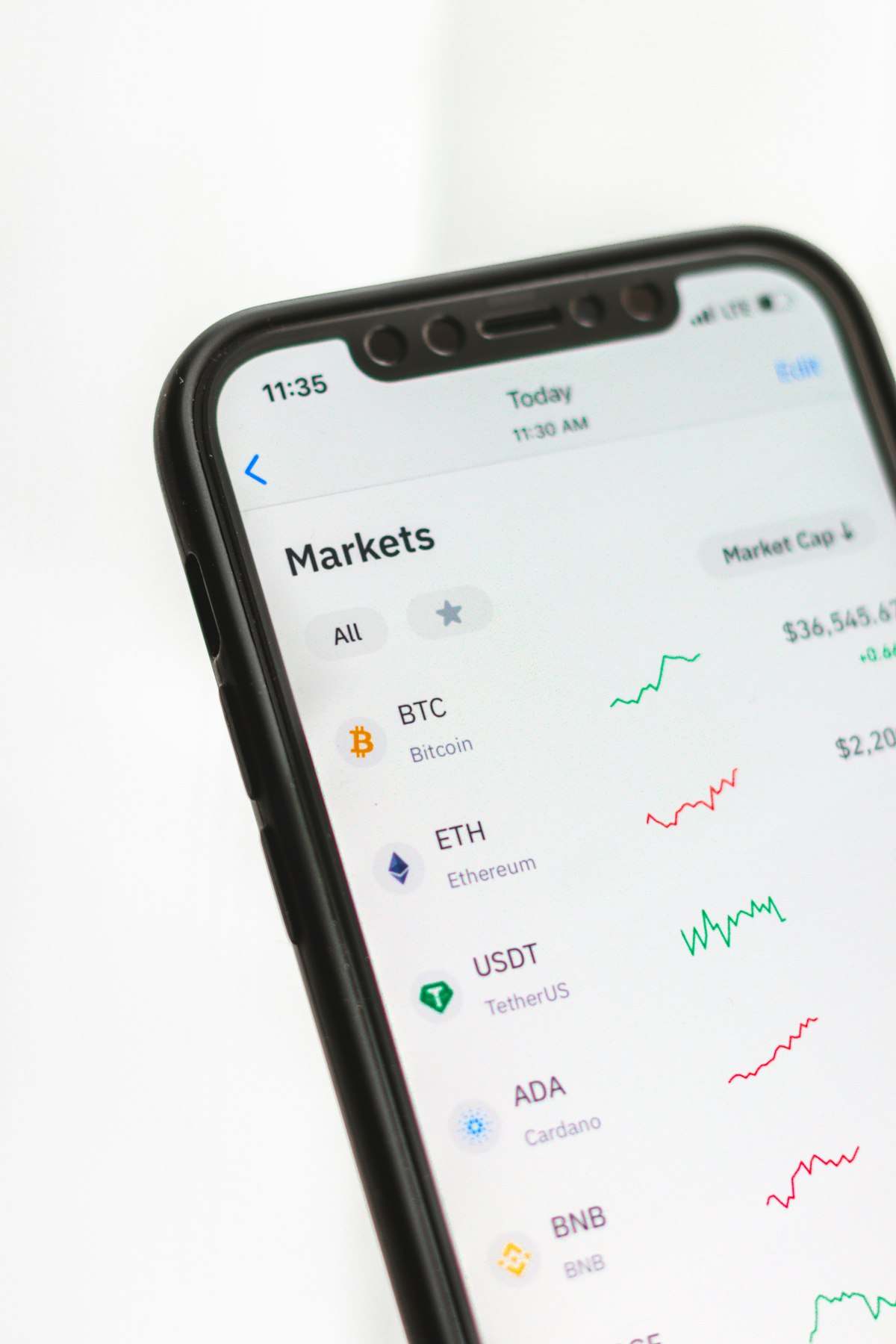
In the ever-evolving world of blockchain and cryptocurrency, stablecoins have emerged as an essential component, offering stability amidst the market's inherent volatility. This article delves into the mechanisms that underpin stablecoins on Solana's blockchain, highlighting their significance and operational dynamics.
Understanding Stablecoins
Stablecoins are a class of cryptocurrencies that aim to maintain a stable value, typically pegged to a fiat currency like the US dollar. They have become crucial in facilitating transactions, offering a haven for traders, and even enabling decentralized finance (DeFi) applications by providing liquidity without the volatility usually associated with cryptocurrencies.
Solana's Approach to Stablecoins
Solana, known for its high-speed transactions and low fees, has become a preferred blockchain for stablecoin deployment. The platform's scalability allows for seamless transactions of stablecoins, which is vital for high-frequency trading and real-time financial applications.
Mechanisms Behind Solana Stablecoins
Stablecoins on Solana generally utilize a combination of the following mechanisms:
- Collateralization: This involves backing the stablecoin with assets, usually other cryptocurrencies or fiat, held in reserve. Popular examples include USD Coin (USDC) and Tether (USDT), which are fully collateralized and available on Solana.
- Algorithmic Stability: These stablecoins rely on complex algorithms to maintain their peg. Although less common, algorithmic stablecoins such as TerraUSD (UST) have started to explore Solana for its robust transaction processing capabilities.
- Hybrid Models: Some stablecoins utilize a combination of collateral and algorithms to maintain stability, offering a balanced approach to risk management.
The Role of RunRadar in Tracking Stablecoin Activity
Platforms like RunRadar play a pivotal role in monitoring on-chain stablecoin activities on Solana. RunRadar provides insights into transaction volumes, liquidity levels, and stablecoin circulation, enabling users to understand market dynamics better. This transparency is crucial for traders and developers who need to assess the stability and liquidity of stablecoins in real-time.
Impact of Stablecoins on Solana's Ecosystem
The integration of stablecoins has far-reaching implications for Solana's ecosystem:
- Enhanced Liquidity: Stablecoins bring liquidity to the network, facilitating smoother transactions and reducing slippage in decentralized exchanges (DEXs).
- Financial Inclusivity: They enable projects that require a stable currency for transactions, making DeFi more accessible and practical for everyday users.
- Cross-Chain Compatibility: Solana's interoperability features allow for seamless movement of stablecoins across different blockchain networks, fostering a more interconnected crypto landscape.
Challenges and Future Prospects
While stablecoins are integral to Solana's growth, they are not without challenges. Regulatory scrutiny, the need for sustained collateralization, and algorithmic risks pose potential hurdles. However, the continued development in blockchain technology and strategic partnerships are poised to address these issues, paving the way for a more resilient stablecoin infrastructure.
Looking ahead, Solana's focus on scalability and efficiency positions it well to support the growing demand for stablecoins. As the crypto market matures, stablecoins and platforms like RunRadar will continue to play a crucial role in ensuring transparency and stability, thereby fostering greater trust and adoption.
In summary, understanding Solana's on-chain stablecoin mechanisms is vital for grasping the broader dynamics of the crypto market. By leveraging the insights provided by tools such as RunRadar, stakeholders can navigate the complex landscape of stablecoins with greater confidence and clarity.